
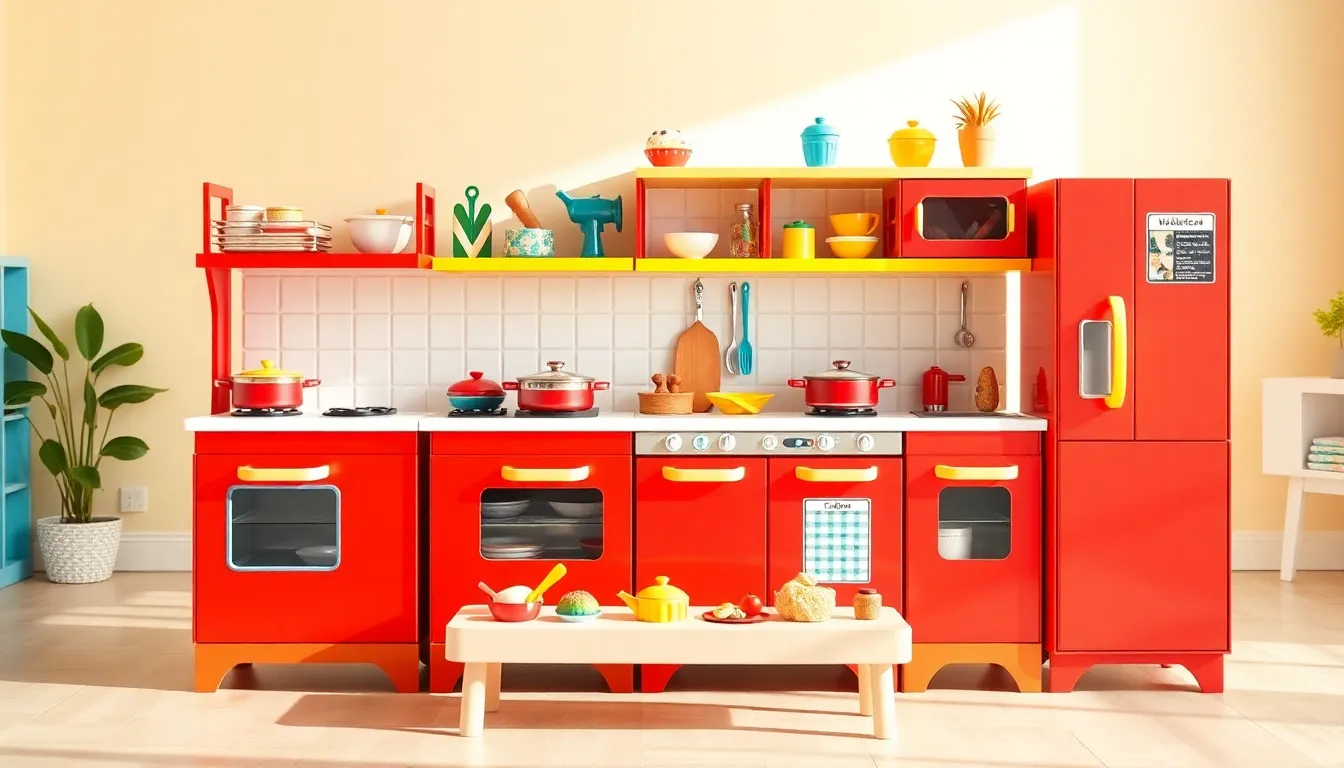
Step back in time to the vibrant early 2000s, a golden era for children’s play kitchens. These miniature culinary worlds weren’t just toys: they were imaginative portals that whisked kids into a realm of pretend baking, cooking, and delicious creativity. With bright colors, delightful accessories, and a sprinkle of nostalgia, these play kitchens captured the hearts of children everywhere. Remember the laughter echoing in the living room as little ones donned chef hats, preparing ‘gourmet meals’ for unsuspecting parents? This isn’t just a stroll down memory lane: it’s a chance to rediscover a beloved part of childhood that continues to inspire play today. So, grab your apron and let’s dig into the delicious details of early 2000s play kitchens.
The Rise of Play Kitchens in the Early 2000s
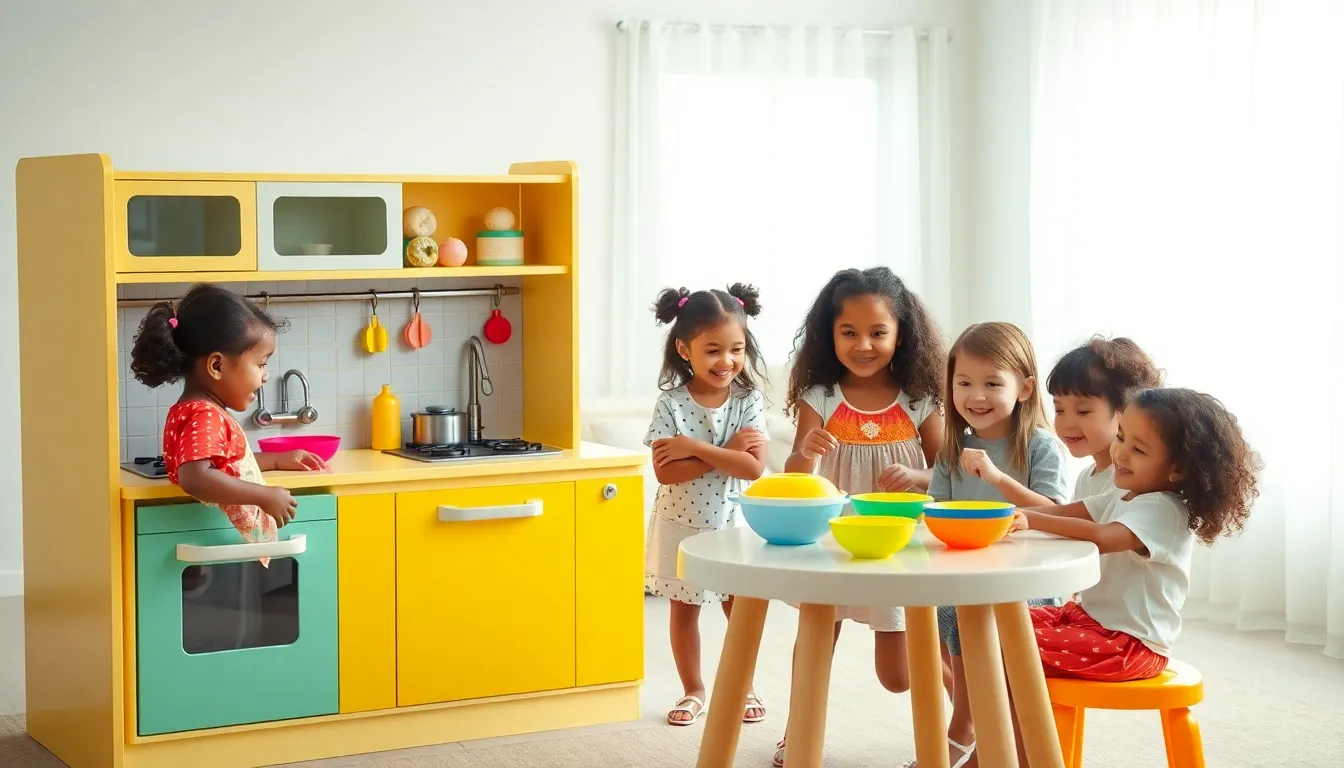
The early 2000s marked a significant boom in the toy market, and among the greatest stars were play kitchens. These playful setups echoed the rise of ‘home cooking’ culture, spurred by television shows emphasizing culinary arts. Parents began to recognize the value of imaginative play, with play kitchens serving as a safe space for children to mimic adult behavior. With the emergence of innovative design and materials, brands flooded the market with vibrant and interactive options.
Kitchens became accessible to families everywhere, showcasing not just a place to let imagination bloom but a medium for connection. The open-ended nature of these toys allowed kids to explore social skills by inviting friends to join in the culinary adventure. The nostalgia surrounding the early 2000s isn’t merely about style or materials: it’s steeped in the foundational experiences children were able to enjoy during that time.
Key Features of Early 2000s Play Kitchens
What did make early 2000s play kitchens so special? First off, they were bright and inviting, often drenched in colors like fiery reds, sunny yellows, and playful blues. These vibrant hues not only attracted attention but also stimulated creativity. Most kitchens came equipped with a plethora of accessories, tiny pots, pans, utensils, and even faux foods, creating an eclectic kitchen experience.
The play kitchens also boasted functional features: knobs that turned, doors that opened, and even light-up components that simulated an oven or stovetop. With pretend food ranging from plastic veggies to boxed desserts, children had the tools to create actual meals from imaginary ingredients, fostering an enticing simulation of real-life cooking. Each kitchen was carefully crafted to aid in the tactile learning process, ensuring they could withstand years of enthusiastic play.
Popular Brands and Models
When it comes to iconic play kitchens of the early 2000s, a few brands rise to the top. Fisher-Price and Step2 ruled the roost, releasing models that are lovingly recalled by parents today. The Fisher-Price “Little People” kitchen was recognized for its cozy, inviting design, complete with cheerful characters to accompany playtime. It wasn’t just a toy: it was part of countless family memories.
Step2’s “Lifestyle” kitchen offered a spacious design that encouraged collaborative play among children. Its strong construction meant it could handle even the most enthusiastic little chefs. Meanwhile, KidKraft introduced wooden aesthetic kitchens, adding a touch of rustic charm to imaginary culinary adventures. Each of these brands contributed significantly to the collectible culture surrounding play kitchens, making them treasured finds for those lucky enough to have them.
Cultural Impact and Popularity
The play kitchens of the early 2000s didn’t just sell: they transformed the way children interacted with their environment. These colorful miniatures reinforced the idea that cooking and kitchen play could be a family activity. The rise of television cooking shows playing during this era also influenced children’s natural curiosity about food and cooking.
With the growing consciousness about healthy eating and sustainable practices, play kitchens subtly introduced these concepts to kids. They learned the names of fruits, vegetables, and kitchen gadgets while developing a foundational understanding of meal preparation. The cultural significance extended to multigenerational bonding, as parents passing down these nostalgic toys ignited storytelling and shared experiences.
How Play Kitchens Fostered Imagination and Learning
The beauty of early 2000s play kitchens lies in their multifaceted learning opportunities. They were not merely toys but tools for cognitive and social growth. While kids engaged in pretend play, they practiced critical thinking, problem-solving, and language skills. As they concocted imaginary recipes, their creativity knew no bounds.
Role-playing helped improve social skills as well. Children learned to cooperate, negotiate, and share with their friends. Whether they were arguing over who got to be the chef or helping each other ‘serve’ imaginary meals, these interactions built essential interpersonal skills. Besides, as they explored and experimented in their kitchens, they grasped basic concepts about kitchen safety and hygiene, all disguised as fun.
Maintaining and Collecting Vintage Play Kitchens
For many, nostalgia drives the desire to maintain or even collect vintage play kitchens. With a resurgence of interest in childhood toys, collectors appreciate the craftsmanship and historical significance of these childhood treasures. Maintenance often involves thorough cleaning and occasional refurbishments, ensuring that these toys stand the test of time.
Collectors find joy in hunting for rare models or restored versions from thrift stores and online marketplaces. Enthusiasts often gather to share stories about their experiences growing up with these iconic kitchens. Vintage play kitchens tell a story, one that continues to unfold as new generations discover their charm. But, ensuring these treasures remain in good shape is crucial: a little TLC can breathe new life into a piece of history.