

Picture it: a tiny bundle of joy, swaddled in a soft blanket, peering up at the world with those big, innocent eyes. Many parents find themselves wondering, ‘Do all newborns have blue eyes?’ It’s a common thought, fueled by sheer curiosity and a sprinkle of fascination. But hang on, this isn’t just about adorable moments. Understanding the science behind newborn eye color could save you from unnecessary myths and misconceptions. So, let’s jump into the colorful world of baby eyes.
Understanding Eye Color in Newborns
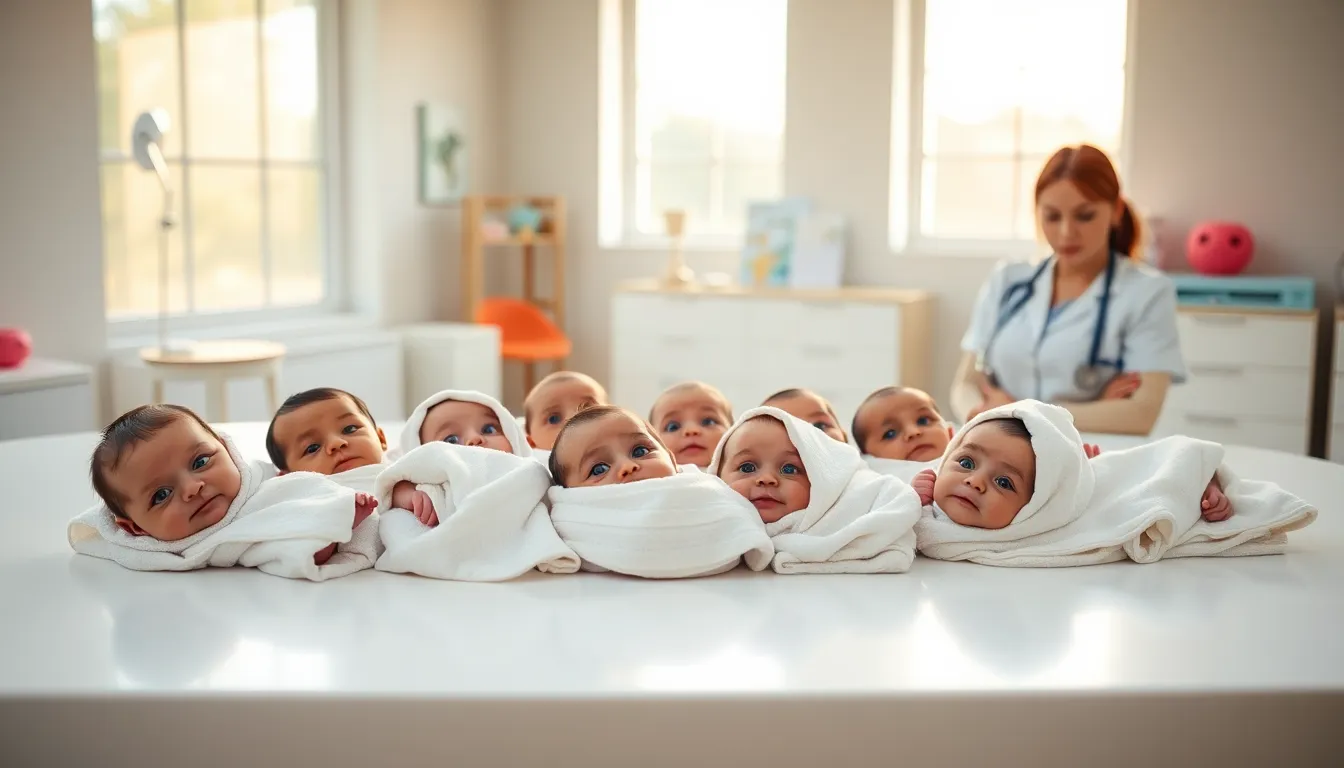
When it comes to newborns and their eye color, things aren’t as straightforward as they may seem. You might have noticed that many babies enter the world with captivating blue eyes, causing parents to do a double take. Well, the truth is that at birth, most babies do indeed appear to have blue eyes, but that’s just one part of a much larger picture.
The reason behind this phenomenon is that a newborn’s melanin production is still in the early stages. Melanin is the pigment responsible for eye color, and in those first few weeks of life, the levels of this pigment are quite low. So, their eyes may shine bright blue, but that color can change over time. By exploring how eye color works, the genetic factors involved, and common myths, one can better understand why this happens.
This isn’t merely about skin-deep appearances: it’s about genetics, biology, and sometimes, even a little luck.
Genetics of Eye Color
Genetics plays a monumental role in determining eye color. It’s a fascinating blend of inherited traits from both parents. Genes work in mysterious ways, and scientists have pinpointed multiple genes that influence eye color, specifically the OCA2 and HERC2 genes.
Why Many Newborns Have Blue Eyes
Most newborns appear blue due to the iris’ lack of melanin. People are often taken aback when they see bright blue eyes, attributing them to the magic of genetics. But here’s the catch: a baby’s eye color can be genuinely unpredictable. While they may start out blue, a surge in melanin production as they grow can lead to a much darker shade, potentially shifting to green, hazel, or brown. The majority of melanin is usually produced within the first year of life, but even changes can occur up to three years later. So, while newborns often show off a lovely blue hue, it doesn’t sell the full story.
Factors Influencing Eye Color Change
As those little ones grow, several factors can influence when and how their eye color changes. It’s not just a simple case of waiting for the eyes to settle. Here’s what you need to consider:
Age and Eye Color Development
The most significant factor influencing a baby’s eye color change is age. In the first few months, melanin production kicks off. By the time your newborn reaches six months, their eye color may start revealing its true nature. This is when the blue hues might deepen, or they might shift entirely. Each child is unique, so the timeline can vary, giving some parents the wild ride of excited anticipation.
Environmental and Health Factors
Rooted in biology yet influenced by the environment, changes can also stem from health factors, such as certain health conditions affecting pigmentation. It may sound strange, but even your little sunshine can experience changes due to medical circumstances. Parents should observe their child’s development and consult a pediatrician whenever they have concerns. Factors like exposure to sunlight can also play a role in melanin production, although it’s an indirect effect. It’s essentially a complex interplay of genetics and environmental influences that can keep parents on their toes.
Common Myths About Newborn Eye Color
Let’s be honest, myths abound when it comes to baby features. Our fascination with their adorable little faces leads to preconceived notions that often just don’t hold up under scrutiny. Here are a few common myths concerning newborn eye color:
- All Babies are Born with Blue Eyes: While it’s true many babies appear blue, a significant portion may be born with brown or even green eyes, depending on the genetic background.
- Eye Color is Just About Genetics: Yes, genes play a crucial role: but, environmental factors and health can influence color changes.
- Eyes Only Change Once: Contrary to what many believe, a baby’s eye color can continue shifting up until the age of three, sometimes longer. A child’s striking blue eyes might surprise parents when they turn out hazel or even brown later.
Dispelling these myths can ease parental anxiety and showcase the unique beauty of each child as they grow.