
If you thought arranging beach chairs was the toughest job in Florida, think again. Navigating the Florida Early Learning Standards can be just as challenging. Designed for educators, parents, and caregivers, these standards lay the groundwork for the educational journey of young children throughout the Sunshine State. Grab your sunscreen, because those little minds are about to take a big leap in their learning.
Overview of Florida Early Learning Standards
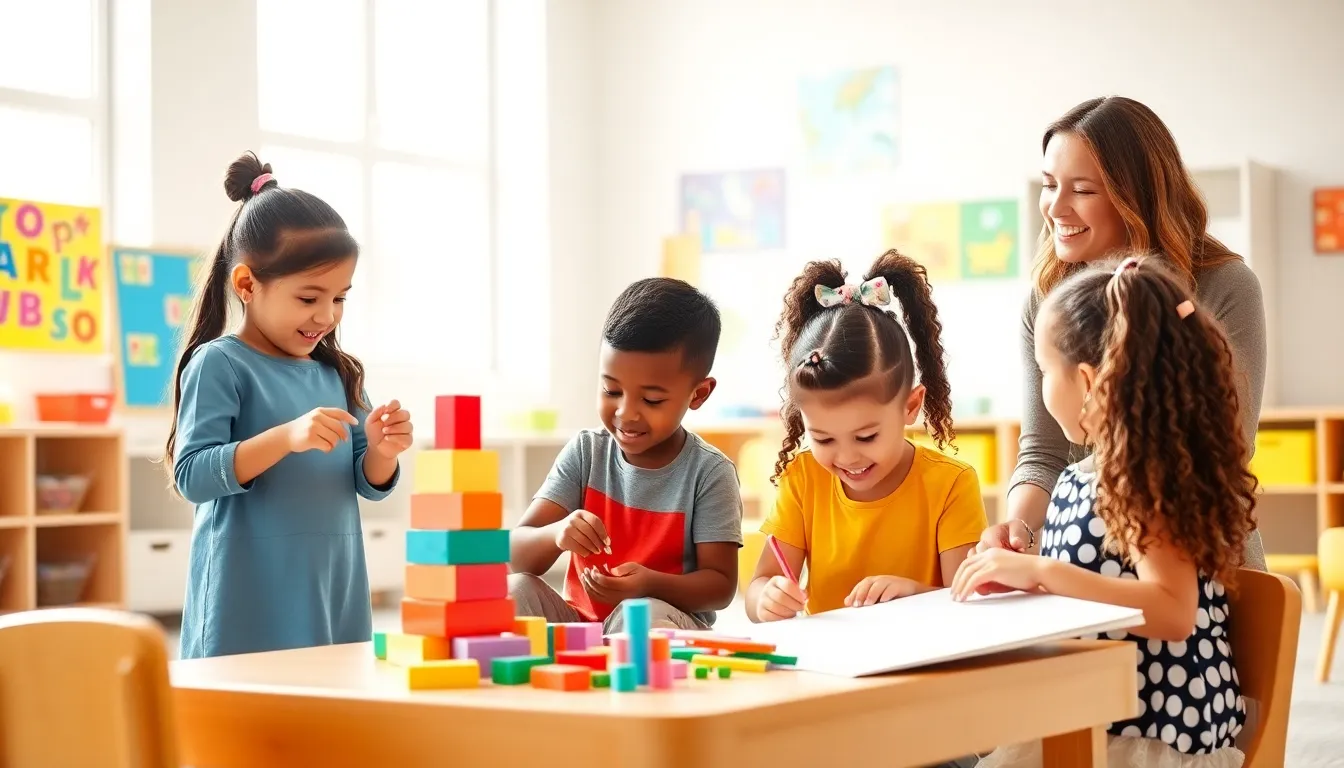
The Florida Early Learning Standards serve as a comprehensive framework for addressing the educational needs of children from birth to age five. Aimed at promoting healthy development and school readiness, these standards align with best practices in early childhood education. Drawing from research and evidence-based practices, they capture the vital aspects of children’s learning, ensuring that no child gets left behind on the road to early education.
Covering various developmental areas, these standards not only emphasize the importance of cognitive skills but also focus on social, emotional, and physical development. This holistic approach prepares children for future academic success while nurturing their overall well-being.
Key Components of the Standards
Developmental Domains Covered
Florida’s Early Learning Standards encompass several critical developmental domains. These include:
- Cognitive Development: Fostering critical thinking, problem-solving abilities, and observational skills.
- Language and Communication: Encouraging vocabulary expansion, effective communication, and literacy readiness.
- Physical Development: Supporting fine and gross motor skills that are crucial for overall health and learning.
- Social and Emotional Development: Addressing self-regulation, empathy, and interaction with peers, equipping children with the tools to build healthy relationships.
- Approaches to Learning: Instilling curiosity and a love for learning, prompting children to engage with their environments.
Importance of Early Childhood Education
The significance of early childhood education cannot be overstated. Research indicates that strong early learning experiences positively influence children’s academic achievement and social skills as they grow. This foundational phase lays the groundwork for lifelong learning, setting children up for success both inside and outside the classroom.
Implementation Strategies for Educators
To effectively carry out the Florida Early Learning Standards, educators should employ a variety of strategies:
- Play-Based Learning: Incorporating play into the curriculum allows children to explore concepts freely and naturally.
- Individualized Instruction: Tailoring teaching methods to meet the diverse needs of each child ensures that all learners can thrive.
- Family Engagement: Collaborating with families not only reinforces learning at home but also strengthens community ties.
- Professional Development: Continuous training for educators keeps them abreast of the latest educational practices and improves the quality of instruction.
Assessing Developmental Progress
Assessing developmental progress in early childhood education is crucial for understanding how well children are meeting the Florida Early Learning Standards. Educators typically use a combination of formal assessments, observational assessments, and anecdotal records to get a comprehensive view of each child’s development.
Regular assessments enable educators to identify strengths and areas needing improvement. This information is essential for adjusting teaching methods and providing additional support where necessary. Also, engaging families in the assessment process helps them understand their child’s unique journey and progress.
Resources for Educators and Parents
A plethora of resources exists to support both educators and parents in navigating the Florida Early Learning Standards. Several key resources include:
- Florida Department of Education: The official website offers guidelines, resources, and updates on the Early Learning Standards.
- Professional Organizations: Many local and national organizations provide training, webinars, and resources embracing early childhood education strategies.
- Community Resources: Local libraries, community centers, and childcare facilities often offer programs and activities that align with the standards.
- Parent Support Groups: Networking with other parents can yield advice, insights, and shared experiences that enhance understanding and implementation.