
Every parent knows that children love to play, but did you know that play isn’t just a fun activity? It’s actually a crucial part of early childhood development. Play helps kids learn, grow, and, yes, even transform into little Jedi masters of social skills. In this text, we’ll explore the fascinating stages of play in early childhood. Buckle up, because we’re diving into a world where imagination knows no bounds.
Understanding Play In Early Childhood Development
Play is more than just a pastime for young children: it’s a vital aspect of their development. It encourages creativity, problem-solving, and social interaction. Experts agree that children learn best through play because it allows them to explore their environment and express themselves without fear of being judged. In these formative years, play becomes a scaffold for language development, emotional regulation, and cognitive skills.
During the early years, children engage in different kinds of play, each serving a unique purpose in their growth. Observing these stages can provide valuable insights for parents, caregivers, and educators on how to support children’s developmental journeys.
The Importance Of Play For Young Children
The importance of play in early childhood cannot be overstated. It plays a critical role in numerous areas of development:
- Cognitive Development: Through play, children learn to think critically and solve problems. Whether it’s stacking blocks or figuring out a game, play stimulates mental processes.
- Social Skills: Playing with others teaches children to share, negotiate, and resolve conflicts. These experiences are foundational for building relationships later in life.
- Emotional Growth: Play helps children express their feelings, understand others’ emotions, and develop empathy. Pretend play often acts as a safe space for exploring complex emotions.
- Physical Development: Many forms of play enhance motor skills, coordination, and overall physical health. Running, jumping, and climbing all contribute to physical fitness.
In short, play is essential for developing well-rounded individuals. It’s not just about having fun, it’s about preparing for the future.
The Six Stages Of Play
Understanding the stages of play can greatly assist parents and educators in guiding children’s playtime effectively. Here’s a breakdown of the six primary stages:
1. Unoccupied Play
In this initial stage, typically observed in infants, children may appear to be aimlessly moving about or watching others. This kind of play is essential as it lays the groundwork for later engagement. Even though it seems inactive, it’s crucial for sensory exploration.
2. Solitary Play
As children progress, they often engage in solitary play. During this stage, they might play alone with toys, absorbed in their own world. This form of play fosters independence and self-reliance, as kids learn to entertain themselves.
3. Onlooker Play
Emerging around 2 years old, onlooker play involves observing others without directly participating. While they might not engage yet, this stage is vital as they learn through observation, analyzing how others interact and play.
4. Parallel Play
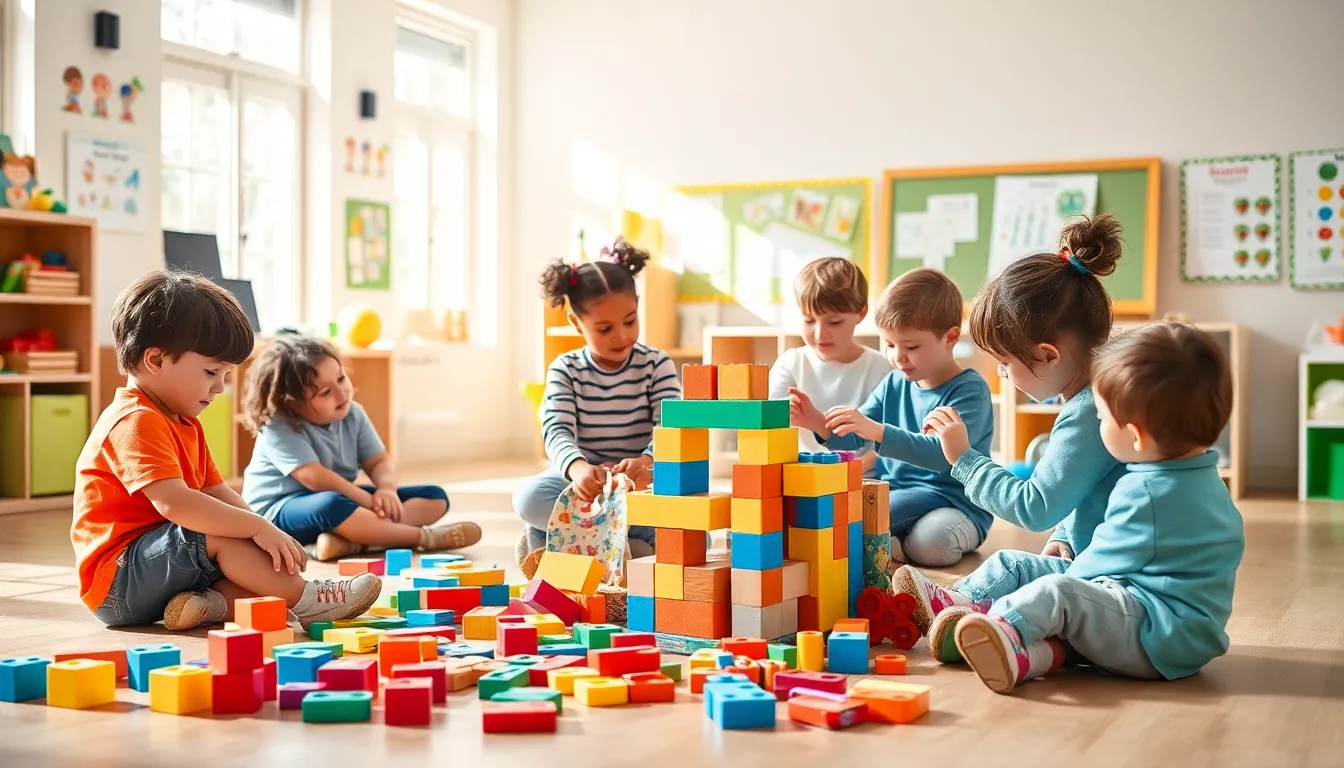
In parallel play, children play side by side, often with similar toys but without direct interaction. This stage serves as a bridge to socialization. It helps develop a sense of community, even from a distance.
5. Associative Play
As children grow, they begin to engage in associative play, where they interact more with peers while still maintaining separate play goals. Sharing materials and shouting ideas across the room become common. This stage strengthens communication skills and the ability to collaborate.
6. Cooperative Play
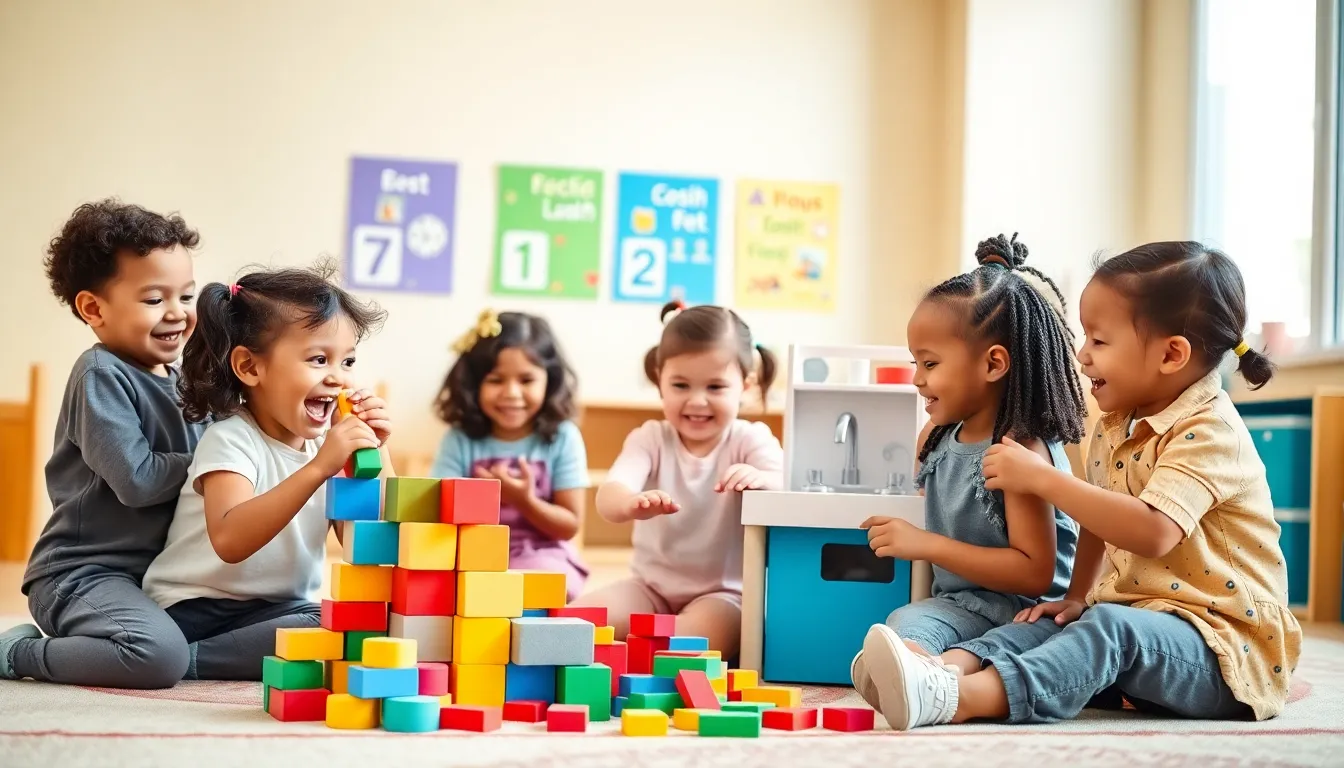
The final stage, usually emerging around age 4 or 5, involves group play with shared goals and organized activities. This is where team projects, games, and structured narratives take shape. Cooperative play nurtures teamwork and leadership, essential skills for future social interactions.
Factors Influencing Play Stages
Various factors influence the stages of play in early childhood:
- Age: As children grow, their ability and desire to engage in different types of play evolve.
- Social Environment: The presence of peers can inspire social forms of play, while solitary play may flourish in quieter settings.
- Cultural Background: Different cultures have varied approaches to play. Some may emphasize group activities, while others may focus on individual exploration.
- Parental Influence: Encouragement or restrictions set by caregivers can significantly impact the type of play children engage in.
- Availability of Resources: Access to toys, outdoor areas, and activity spaces can determine the scope of play experiences children have.
Tips For Encouraging Healthy Play Development
To foster healthy play development, consider these useful tips:
- Provide Diverse Play Options: Offer a mix of toys and activities that cater to various interests and developmental stages.
- Encourage Unstructured Play: Allow for free play time where kids can explore without adult intervention. This promotes creativity.
- Engage with Them: Participating in play can help deepen your connection with your child while demonstrating modeling behavior.
- Limit Screen Time: While technology has its place, too much screen time can hinder social skills and creativity. Striving for balance is key.
- Create Playdates: Regular social interactions can enhance cooperative play skills. Organizing playdates encourages kids to interact with peers.