

Picture this: you walk into a preschool bustling with tiny humans, each exploring, questioning, and playing. Now, imagine they’re doing all this while hitting some pretty important educational benchmarks, not just chaos, but structured learning. That’s where the SC Early Learning Standards come in. Designed to guide educators in providing the best early childhood experiences, these standards ensure that every child is on the right path to success. Let’s jump into the nitty-gritty of how these standards shape our future generations and why they matter.
Overview of SC Early Learning Standards
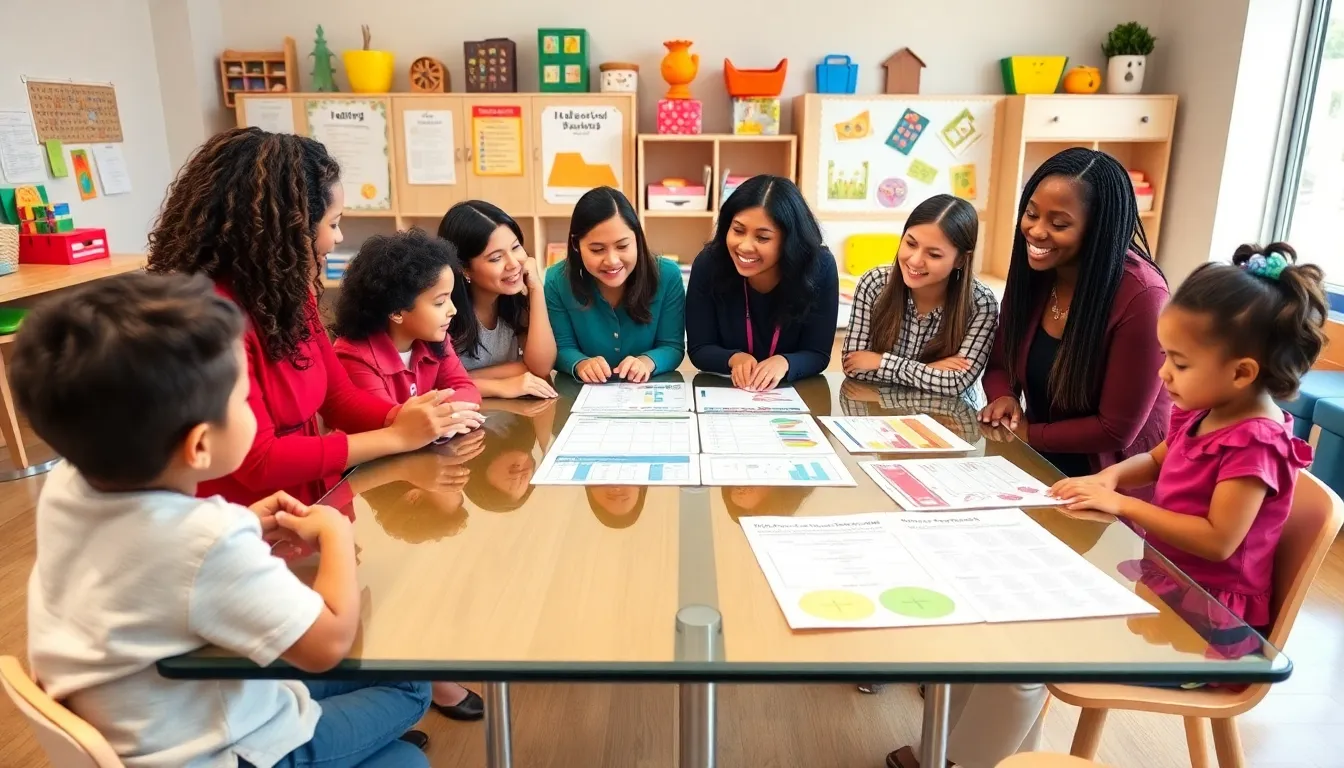
The SC Early Learning Standards provide a framework for South Carolina’s early childhood education system. Developed through rigorous research and input from educators, these standards outline the key developmental milestones for children from birth to age five. They focus not just on academics, but on social, emotional, and physical development, ensuring a holistic approach to education. Essentially, these standards are like a roadmap, guiding educators on what children should know and be able to do at various stages. The ultimate aim? To foster environments where children can thrive, learn, and grow.
Importance of Early Learning Standards
Early learning standards are crucial for many reasons. First, they set clear expectations for what children should learn during their formative years. This clarity helps educators tailor their teaching methods effectively. Also, these standards promote consistency across educational settings. Parents and educators can expect that no matter where a child is enrolled, they will be exposed to the same foundational concepts that support lifelong learning.
Also, research shows that early education substantially impacts a child’s future success in school and life. The skills children develop in their early years often translate to better performance in later education stages. Think of it as building a solid foundation for a house, if the base is strong, the structure above can thrive.
Key Components of SC Early Learning Standards
The SC Early Learning Standards encompass several key components:
- Developmental Domains: These include physical, social/emotional, cognitive, and language development. Each domain is critical for comprehensive growth.
- Goals and Indicators: For each developmental domain, the standards outline specific goals that need to be achieved. These goals are supported by clear indicators that describe how children can demonstrate mastery.
- Culturally Relevant Practices: Recognizing that children come with diverse backgrounds, these standards promote culturally relevant teaching practices to ensure all children feel valued and included.
- Family and Community Engagement: The standards emphasize the importance of partnering with families and communities in the educational process. Engaged families support children’s learning through meaningful interactions and resources.
Implementation Strategies for Educators
Implementing the SC Early Learning Standards requires thoughtful strategies. Here are a few effective approaches:
- Professional Development: Ongoing training for educators helps them understand the standards thoroughly and apply them in their classrooms. Workshops and collaborative learning sessions can enhance teaching strategies.
- Curriculum Alignment: Educators need to ensure that their curriculum aligns with the standards. This means regularly reviewing and adapting lesson plans to fit developmental goals.
- Play-Based Learning: Incorporating play into the learning process is vital. As children engage in play, they naturally develop skills that align with the standards, from problem-solving during block building to communicating with peers.
- Assessment Tools: Utilizing effective assessment tools can help educators track a child’s progress against the standards. Observational checklists, developmental screenings, and structured assessments provide insights into what children are mastering and what needs additional attention.
Assessment and Evaluation of Early Learning Outcomes
The assessment of early learning outcomes is essential to understanding children’s growth. In the context of the SC Early Learning Standards, teachers are encouraged to:
- Use multiple assessment methods: Relying only on standardized tests can be limiting. A mix of observations, portfolios of children’s work, and family feedback provides a broader picture of a child’s abilities.
- Monitor progress regularly: Ongoing assessments help educators spot areas where a child may be excelling or struggling. Regular check-ins promote timely interventions that support individualized learning plans.
- Involve families: Engaging parents in the assessment process helps them understand their child’s development and encourages them to take an active role in their learning journey.
Resources for Educators and Parents
Fortunately, a wealth of resources exists to support both educators and parents in navigating the SC Early Learning Standards:
- South Carolina Department of Education: The official website offers necessary guidelines, resources, and updates about the standards.
- Professional Development Organizations: Many organizations provide training programs and workshops focused on early childhood education best practices.
- Online Communities: Websites and forums where educators can connect, share best practices, and seek advice help create a supportive network.
- Parent Guides: Tailored resources for parents help them grasp the importance of these standards and how they can support their children’s learning at home.