

When it comes to newborns, there’s a secret weapon that might just make them smarter and more curious: high contrast images. Yes, you read that right. Babies may not be able to see the world as clearly as adults, but they sure know how to react to striking visuals. These black-and-white wonders can capture their attention and help develop their brains faster than you can say ‘goo-goo ga-ga.’ Let’s jump into why exposing your little bundle of joy to these bold images is one of the best things you can do.
The Importance Of Visual Stimulation In Infants
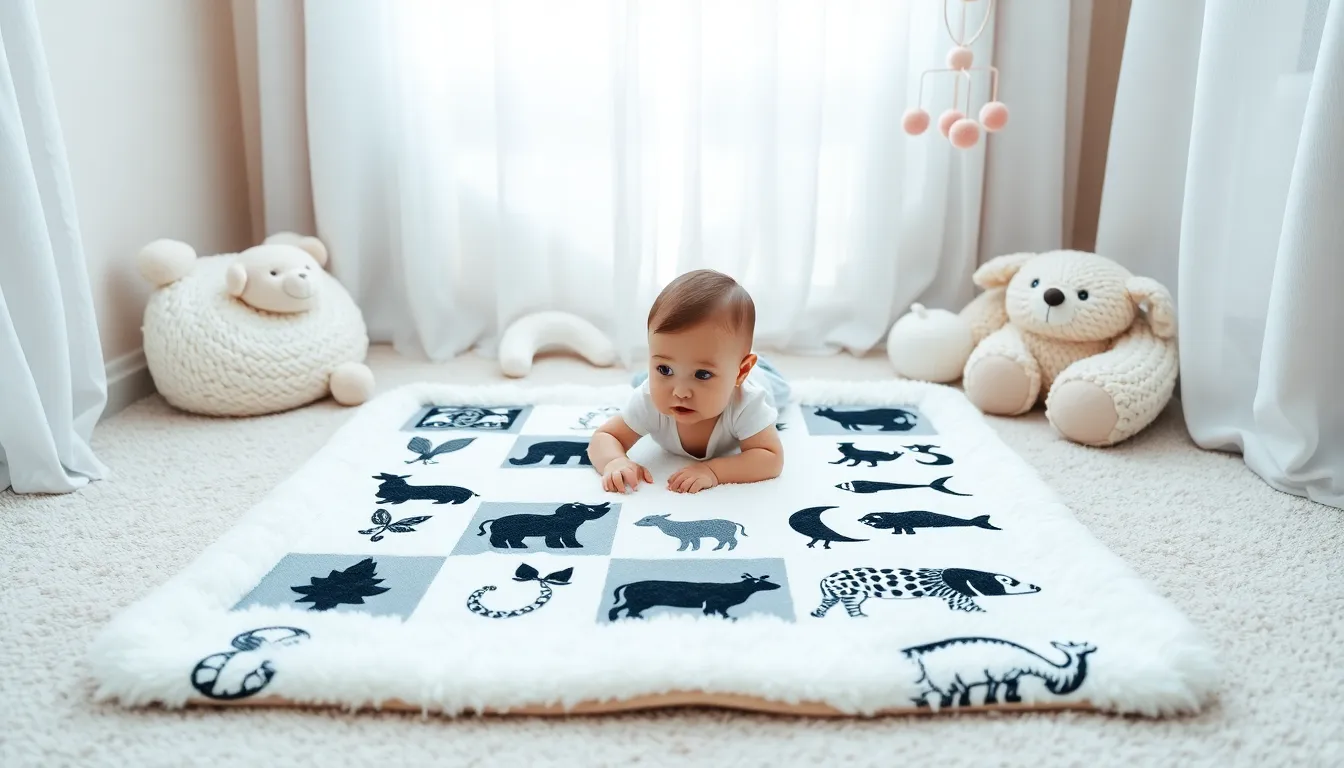
Visual stimulation is vital for infants. It’s not just about keeping them entertained: it’s crucial for their brain development. During the early months, babies are like tiny sponges, soaking up everything around them. Their visual system is in overdrive, learning to interpret shapes, colors, and patterns. High contrast images provide that essential stimulation. The stark differences between light and dark stimulate the optic nerve, making it easier for a newborn’s brain to process visual information.
Also, high contrast visuals can enhance attention span. Imagine a baby’s pure fascination as they stare at these striking designs. This not only aids in developing focus but also promotes cognitive skills. In essence, exposing infants to high contrast images can give their brain development a significant boost. Talk about a win-win for parents and babies alike.
Understanding Newborn Vision Development
Newborn vision is a fascinating topic. Did you know a baby’s eyesight is quite blurry at birth? That’s right. When first born, they can only see about 8 to 12 inches away, which is just perfect for gazing at their parents’ faces during feeding. Over the next few months, their vision develops rapidly. At around 2 to 3 months, they can start to track movements and distinguish between colors.
But, vibrant colors can be tricky. Newborns typically respond better to high contrast images, think black, white, and shades of gray. At around 4 months, their ability to see colors begins to improve, but high contrast images remain essential. They help enhance visual acuity and allow babies to explore the world around them more fully. Parents, this means your little ones can embark on their visual adventures with the right tools.
Types Of High Contrast Images
High contrast images come in various forms. Parents often wonder what kind of visuals will best catch their infant’s eye.
Creating High Contrast Images For Your Baby
Creating high contrast images is easier than you might think. Black and white graphic books are a fine start. These books feature engaging patterns and illustrations that can hold a baby’s attention for extended periods.
You can also craft your own high contrast artwork at home. Using stark black paint on a white canvas or paper is an easy DIY project. Try to incorporate simple shapes such as circles, squares, and lines. Babies love simple, bold visuals that don’t overwhelm their developing senses.
Choosing The Right Colors And Patterns
Naturally, color choice plays a key role. Though traditional high contrast often revolves around black and white, you can include red, which is another color babies can see fairly well. Patterns are just as important. Geometric shapes are great because they provide a clear and defined structure for infants to grasp visually. Aim for big, uncomplicated patterns: a busy design can leave even the most curious baby feeling overwhelmed.
Safe Ways To Introduce Images To Newborns
Introducing visuals to newborns doesn’t come without considerations. Safety is the top priority, of course. Make sure any images or materials used are made of baby-friendly, non-toxic materials. Hang images at eye level where your baby can easily see them. If you’re using mobiles or wall art, ensure they’re securely fastened and out of reach of little hands.
Limit exposure time, especially with stimulating images. While high contrast images are beneficial, too much time spent staring can lead to overstimulation. It’s key to observe your baby’s reactions. If they seem disinterested or fussy, it may be a sign to switch the image or take a break.
Creating a calm environment while introducing these visuals allows babies to absorb the stimulation more effectively. Combining image exposure with gentle talking or singing can foster a nurturing atmosphere that encourages both visual and auditory development.