
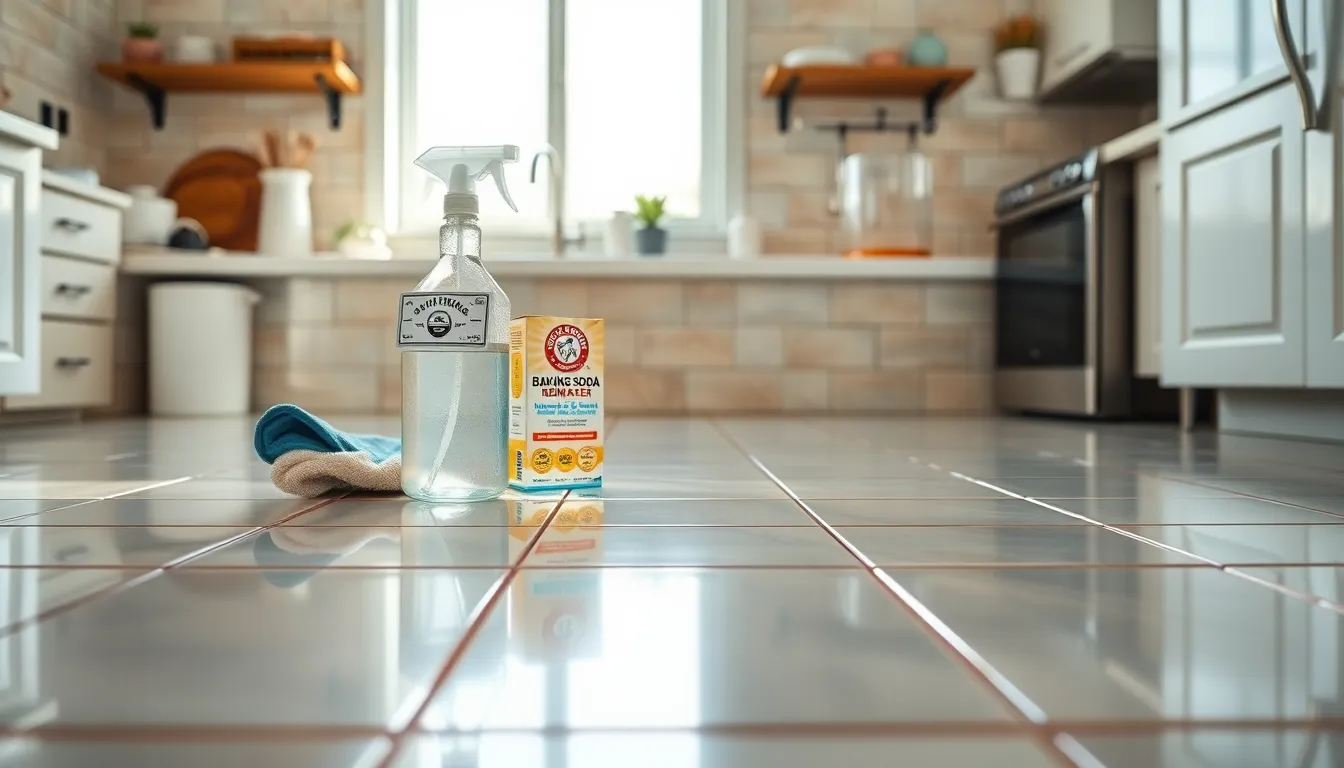
Cleaning tiles can feel like a never-ending battle, especially when stubborn neomanclotise leaves its mark. But fear not! With a little DIY magic, anyone can whip up a powerful homemade remover that’ll have those tiles gleaming in no time. Who knew that tackling grime could be this satisfying?
Understanding Neomanclotise Remover
Neomanclotise remover serves as an effective solution for stubborn stains on tiles. It targets tough residues left behind by spills, grime, or high-foot-traffic areas. Many people struggle with cleaning tiles, particularly when faced with these challenging marks. Acquiring the right cleaning agent, like neomanclotise remover, can significantly enhance tile appearance and longevity.
Homemade neomanclotise removers usually consist of easily accessible ingredients. Common components include baking soda, vinegar, and dish soap. These items create a powerful blend that lifts dirt and grime without damaging tile surfaces.
Users often find that combining these ingredients yields remarkable results. For instance, a mixture of one cup of baking soda, half a cup of vinegar, and a few drops of dish soap can tackle even the most persistent stains. When applied to tiles, this solution typically begins to break down grime quickly.
Additionally, many people prefer homemade remedies due to their cost-effectiveness and environmental safety. Store-bought cleaners often contain harsh chemicals, while DIY options provide peace of mind. Ensuring tile cleanliness with homemade neomanclotise remover protects not only the tiles but also the surrounding environment.
Regular use of this cleaner contributes to the overall maintenance of tile surfaces. It helps prevent the buildup of tough stains, keeping tiles looking new for longer. Educating oneself about neomanclotise removers proves beneficial for anyone seeking to maintain their tile’s beauty and functionality.
Ingredients Needed
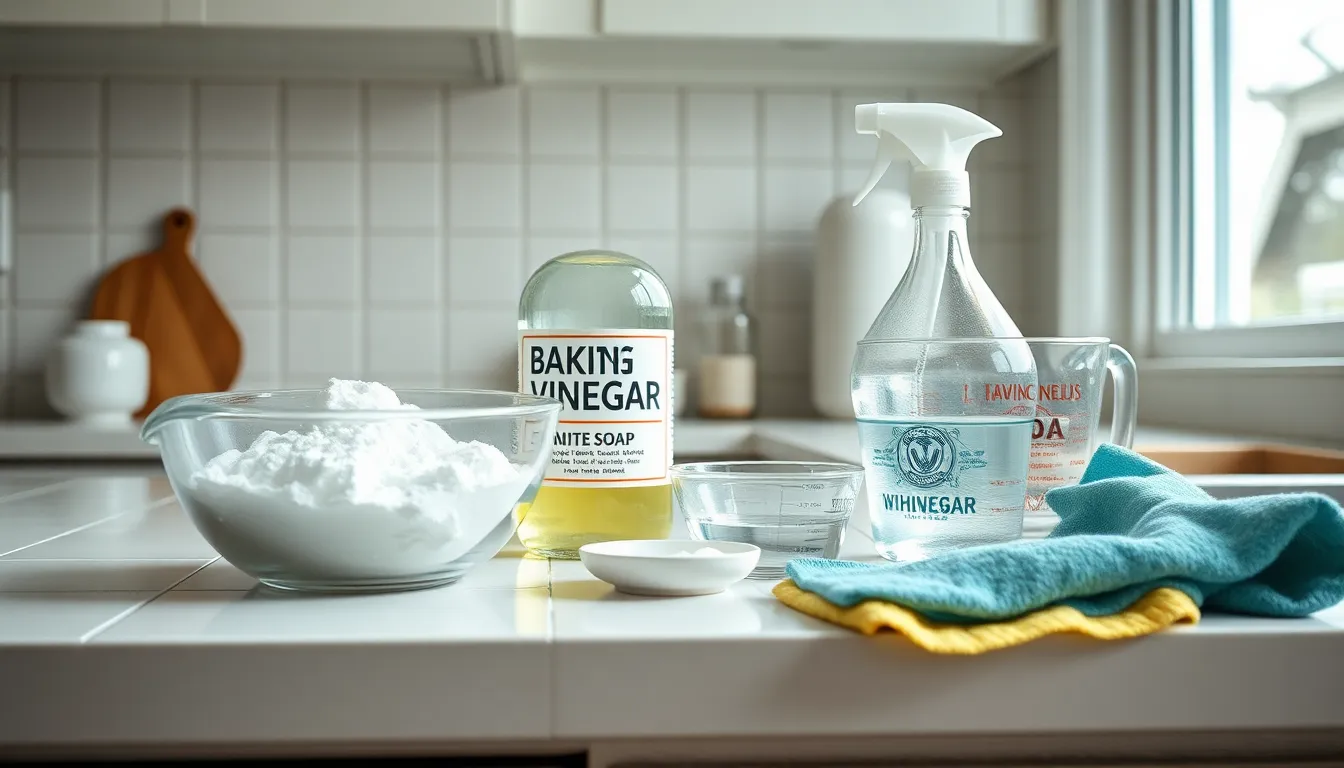
Creating an effective neomanclotise remover requires a simple yet potent combination of ingredients. The following components make this DIY solution practical and efficient.
Common Household Items
Baking soda serves as an excellent base. This common item acts as a gentle abrasive, helping lift tough stains. White vinegar provides acidity that breaks down residues effectively. Dish soap aids in cutting grease and grime, enhancing the overall cleaning power. Water creates the right consistency for the mixture, allowing for easy application on various surfaces. Simple combinations of these ingredients can yield remarkable results.
Specialized Cleaning Supplies
For those seeking extra strength, hydrogen peroxide offers powerful stain-fighting properties. Utilizing essential oils can add pleasant scents and additional cleaning benefits, enhancing the overall experience. A spray bottle allows for easy and precise application, ensuring even coverage on tile surfaces. Microfiber cloths work well for wiping, effectively capturing dirt without scratching the tile. These specialized items elevate the cleaning process, making it more efficient and enjoyable.
Step-by-Step Guide
Creating an effective neomanclotise remover involves simple steps that anyone can follow. This guide outlines how to prepare the mixture and apply it for the best results.
Preparing the Mixture
Start by gathering the necessary ingredients: 1 cup of baking soda, 1 cup of white vinegar, 1 tablespoon of dish soap, and 2 cups of water. Combining baking soda and vinegar produces a fizzing reaction, which helps lift dirt. Mixing these in a bowl is essential for even distribution. Afterward, add the dish soap to the mixture; this ingredient cuts through grease effectively. Finally, incorporate water to achieve a smooth consistency, making the mixture easy to apply. For enhanced cleaning power, consider adding a few drops of essential oils, like tea tree oil, for their antibacterial properties.
Applying the Remover
Before applying the remover, ensure the tile surface is clear of loose dirt. Using a spray bottle, apply the mixture generously to the stained areas. Let the solution sit for 5 to 10 minutes to penetrate the stains. Wiping with a microfiber cloth helps lift the dirt efficiently. Rinse the area with clean water after scrubbing, ensuring no residue remains. Regular application of this homemade cleaner maintains tile appearance and prevents future buildup. For tough stains, repeating the process can yield even better results.
Safety Precautions
Using a homemade neomanclotise remover requires caution. Always wear protective gloves to prevent skin irritation from the cleaning solution. Consider using goggles to shield your eyes from any splashes. If a respiratory condition exists, wearing a mask is advisable to avoid inhaling any fumes.
Ensure that the workspace is well-ventilated. Open windows and doors to create airflow when working with vinegar and other ingredients. Avoid mixing different cleaning agents, as dangerous reactions can occur; stick to the ingredients specified in the recipe.
Test the mixture in a small, inconspicuous area on the tile before applying it widely. This step helps prevent damage or discoloration. When applying the solution, avoid using it on porous or unsealed tiles, as harsh reactions may take place.
Keep cleaning supplies out of reach of children and pets. Storage in a secure cabinet helps prevent accidental ingestion or exposure. If irritation or an allergic reaction occurs, seek medical attention promptly.
Dispose of any leftover cleaning solution responsibly. Follow local disposal guidelines for household chemicals. Proper disposal prevents environmental harm and protects public health.
Tips for Effective Use
Apply the neomanclotise remover to a small, inconspicuous area first to test for compatibility with the tile. Ensure the mixture is fresh for optimal cleaning results. Use a spray bottle for even application, utilizing a light mist to cover the stained area adequately.
Allow the solution to sit for 5 to 10 minutes, letting it penetrate tough stains. Wiping in a circular motion with a microfiber cloth enhances effectiveness, lifting dirt without scratching the surface. Regular usage maintains tile appearance, so consider incorporating this cleaning method into a weekly routine.
Consider using additional ingredients like hydrogen peroxide for extra stain-fighting power. Essential oils not only improve the cleaning efficacy but add a pleasant fragrance. When mixing, always combine the dry ingredients first, then gradually incorporate liquids for better consistency.
Wear gloves to protect skin from irritation during application. Goggles safeguard eyes from splashes, and a mask helps those with respiratory sensitivities. Maintain proper ventilation in the work area to ensure comfort while cleaning.
Keep the solution away from children and pets, ensuring safety during the cleaning process. Dispose of any leftover cleaner responsibly, following local guidelines to protect the environment. For the best results, repeat the application on tougher stains to achieve a pristine tile surface continuously.
Creating a homemade neomanclotise remover is a straightforward process that can lead to impressive results. By using common household ingredients like baking soda and vinegar, anyone can effectively tackle tough tile stains while being mindful of the environment. Regular use of this cleaner not only enhances tile appearance but also prevents future buildup, ensuring tiles remain beautiful for years to come.
Incorporating safety measures during the cleaning process is essential for a successful experience. With the right precautions and a little effort, maintaining clean and shiny tiles becomes an achievable task. Embracing this DIY approach not only saves money but also empowers individuals to take control of their cleaning routine.